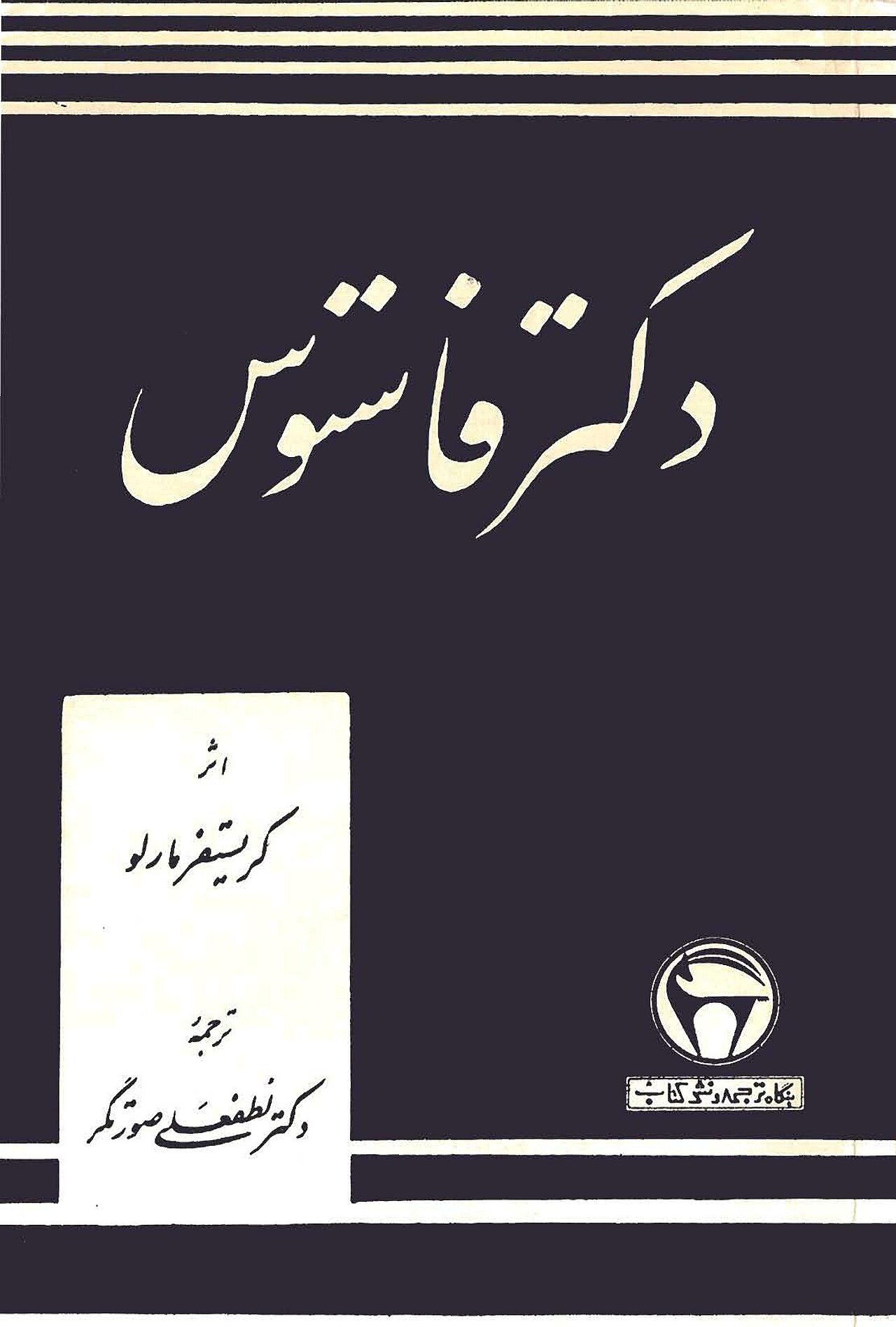
Doctor Faustus (play)
An Elizabethan tragedy of a scholar who sells his soul.

Christopher Marlowe · Public domain
Doctor Faustus is an Elizabethan tragedy by Christopher Marlowe, based on German stories about a scholar who sells his soul to the devil in exchange for magical power. The play has had a lasting influence, inspiring adaptations across stage, film, and other media, and its characters remain iconic figures in Western literature.
- Author
- Christopher Marlowe
- Genre
- Elizabethan tragedy
- Themes
- ambition, limits of knowledge, Christian theology, Renaissance humanism
Lore & Background
Legends quickly accrued around early productions: William Prynne recorded a tale that actual devils once appeared on stage during a performance, and John Aubrey recorded that lead actor Edward Alleyn devoted his later years to charitable endeavors in response to this incident.
Reader's Guide
Doctor Faustus blends classical tragedy with Elizabethan drama, employing a five-act structure and a chorus. Thematically, it explores ambition, the limits of knowledge, Christian theology, and Renaissance humanism. Critics have long debated its stance on Calvinist predestination and its reflection of Reformation-era anxieties. The play's lasting influence is seen in adaptations across stage, film, and other media. Performances have been associated with supernatural legends since the 17th century, and the characters of Faustus and Mephistopheles remain iconic figures in Western literature. The relationship between the A and B texts remains uncertain, and many modern editions print both, reflecting the fluid nature of Elizabethan play publication.
Did You Know?
- A legend recorded by William Prynne claims that actual devils once appeared on stage during a performance, driving some spectators mad.
- The name of the devil in the A text is generally 'Mephistopheles,' while the B text commonly uses 'Mephostophilis.'
Gallery

Frequently Asked Questions
What happens in the plot of Doctor Faustus (play)?
Faustus abandons traditional scholarship, signs a blood pact with Lucifer, and uses the demon Mephistopheles as his agent to perform increasingly spectacular magical feats. Despite recurring moments of dread and explicit offers of repentance, he never truly turns back and is ultimately seized and dragged to hell.
Who are the main characters in Doctor Faustus (play)?
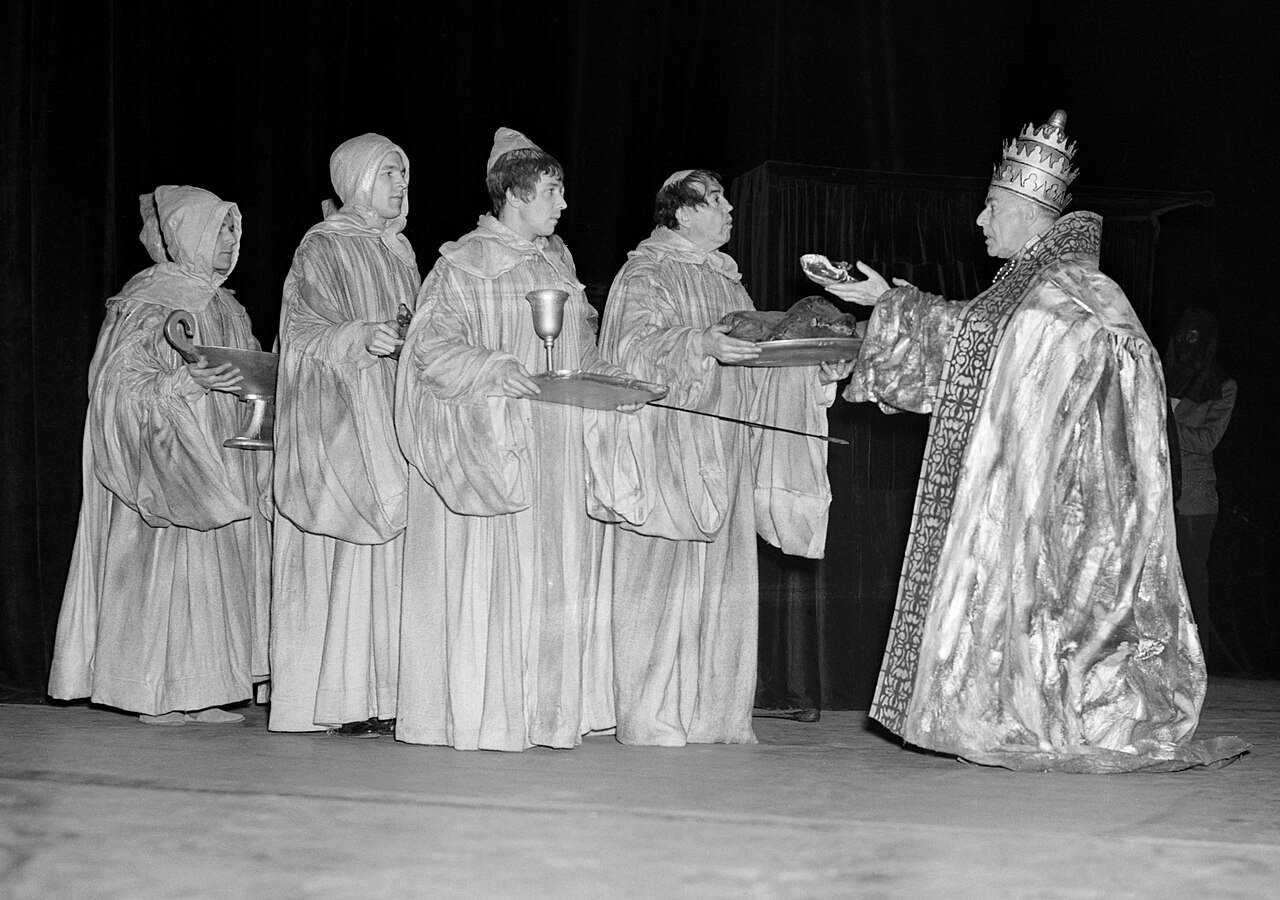
Beyond Faustus himself, Mephistopheles acts as his demonic servant and the voice of Lucifer's will, while the Good Angel and Evil Angel externalize his inner moral conflict. The Old Man and the Pope offer theological counterpoints that underscore the play's religious stakes.
What major themes does Doctor Faustus (play) explore?
The play interrogates the limits of human knowledge, the corrosive pull of unchecked ambition, and the friction between Renaissance humanism and orthodox Christian theology. It also raises the question of whether genuine free will can survive a contract sealed with the devil.
More in Plays & Drama 1-18
Spotted an error? Know more?
This is a living reference — every entry is fact-audited, and reader corrections feed straight into our audit queue. Suggest an edit · See this site's audit record