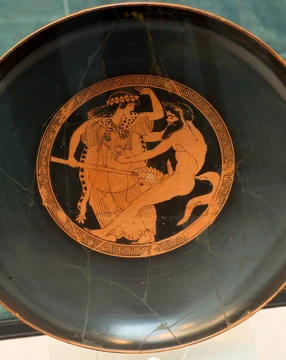
Troilus and Cressida
A Shakespearean play of love and war at Troy.

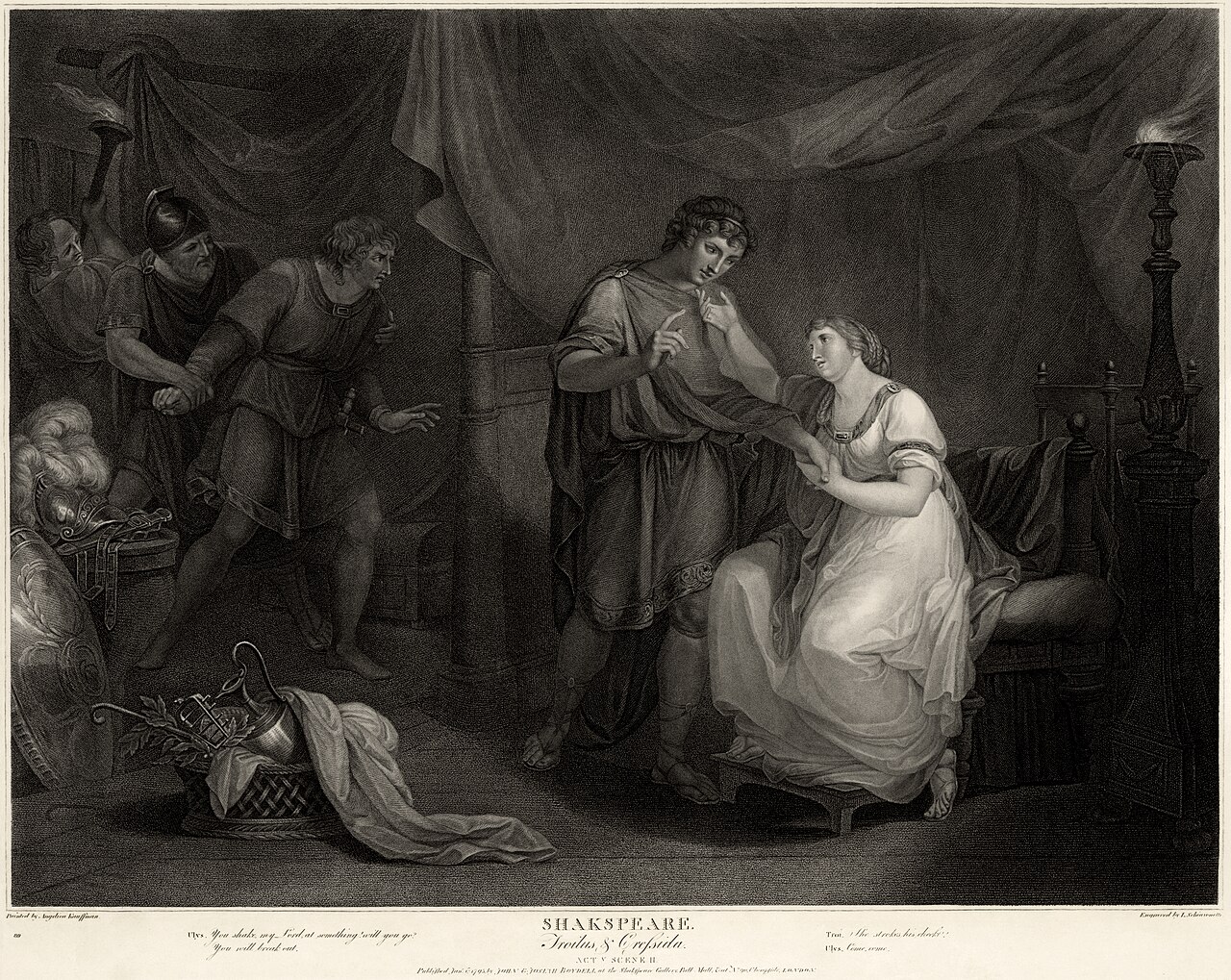
James Neagle (printmaker) · CC BY-SA 4.0
Set during the later years of the Trojan War, it follows the plotline of the Iliad from Achilles' refusal to participate in battle to Hector's death. The play is known for its alternating tone between bawdy comedy and tragic gloom, and it has frequently been found difficult for readers and theatre-goers to understand how they are meant to respond to the characters.
- Author
- William Shakespeare
- Genre
- Play (problem play)
- Setting
- Troy during the Trojan War
- Main characters
- Troilus, Cressida, Achilles, Hector, Pandarus, Ulysses, Agamemnon, Ajax, Diomedes, Patroclus
- Known for
- Alternating tone, difficulty of interpretation, lively critical debate
Lore & Background
The play opens with a Prologue dressed as a soldier giving background on the Trojan War, which began when Paris stole Helen from Menelaus. Within Troy, Prince Troilus complains to Pandarus that he is lovesick for Pandarus's niece, Cressida. Cressida, though she returns Troilus's feelings, holds him off, enjoying his pursuit. In the Greek camp, Agamemnon and his commanders discuss the army's low morale, which Ulysses attributes to a breakdown in authority, particularly Achilles' refusal to fight and his mockery of the leaders with Patroclus.
Reader's Guide
Troilus and Cressida is significant as one of Shakespeare's problem plays, a label given by Frederick S. Boas. Its legacy lies in its refusal to offer a clear moral or emotional stance, leaving audiences uncertain how to respond. The play intertwines two plots: the doomed love affair of Troilus and Cressida, and the Greek efforts to bring Achilles back to battle. The love plot, though giving the play its name, accounts for only a small part of the runtime; the majority focuses on the Greek and Trojan leaders. The play ends with Hector's death at the hands of Achilles and his Myrmidons, but the conquest of Troy is left unfinished. This ambiguity has made it a subject of lively critical debate, with scholars examining its cynical view of heroism, love, and war.
Did You Know?
- The play is often shortened to Troilus and Cressida.
- Frederick S. Boas labelled it one of Shakespeare's problem plays.
- The play faithfully follows the plotline of the Iliad from Achilles' refusal to participate in battle to Hector's death.
- The conquest of Troy is left unfinished in the play.
A Play That Defies Easy Classification
The Tragedy of Troilus and Cressida, most likely composed by William Shakespeare around 1602, occupies an unusual position in the canon. Unlike his more straightforward tragedies or comedies, this work refuses to settle into a single emotional register. The tone swings between ribald humor and deep melancholy, leaving audiences and readers frequently uncertain about what response the characters demand of them. The critic Frederick S. Boas identified it as one of Shakespeare's problem plays, a label that has only intensified the lively critical debate surrounding the work. Scholars continue to argue over how to categorize it, and the play's title itself—sometimes called a tragedy, sometimes a history—reflects this ambiguity. The result is a drama that resists the comfort of a single interpretive framework, challenging its audience to hold contradictory emotions simultaneously and to accept that the work may not offer a tidy moral or emotional resolution.
Two Stories Woven Into One
Although the play bears the names of a Trojan prince and his beloved, their love affair accounts for only a small portion of the total running time. The majority of the drama centers on the political and military machinations of the Greek and Trojan leadership, particularly Agamemnon and Priam. The plot faithfully tracks the arc of Homer's Iliad, moving from Achilles' refusal to take up arms through to the death of Hector. In the love thread, Troilus, son of Priam, courts Cressida and they swear undying devotion to one another before she is exchanged for a Trojan prisoner of war. When Troilus later visits the Greek camp, he witnesses Diomedes flirting with Cressida and resolves to avenge her betrayal. Meanwhile, the larger narrative follows the Greeks' desperate attempts to draw the proud Achilles back into battle, the failed duel between Ajax and Hector, and the killing of Patroclus that finally compels Achilles to fight. The play ends in a series of skirmishes during which Achilles catches Hector and has his Myrmidons kill him, leaving the conquest of Troy unfinished as the Trojans grieve their fallen hero.
The Greek Camp in Crisis
The Greek side of the play is dominated by a seven-year siege that has produced little in the way of progress. Agamemnon, the great general and king, tries to rally his lieutenants by arguing that adversity forges greatness, and Nestor, the oldest commander, backs this with examples of heroism born from hardship. But Ulysses cuts through the optimism with a more troubling diagnosis: the army is fracturing not because of the war's length but because of a collapse in internal authority. Achilles has withdrawn to his tent, Patroclus mocks the commanders, and men like Ajax and the foul-mouthed slave Thersites follow suit, corrupting the whole force. When Aeneas arrives under a flag of truce bearing Hector's challenge for single combat, Ulysses sees a strategic opportunity. He proposes that Ajax, rather than Achilles, should accept the duel. If Ajax loses, the Greeks can still claim Achilles would have prevailed, and the slight may provoke the great warrior back into the fray. Nestor, impressed by the cunning, agrees to the scheme.
Love, Pursuit, and the Politics of Desire
The romantic subplot is introduced through a web of interpersonal tension. Troilus, a Trojan prince and son of Priam, confesses to Pandarus that heartache has rendered him unable to fight; he is desperately in love with Pandarus's niece, Cressida. Pandarus, irritable and self-important, brags about his efforts to further the courtship while receiving little thanks. In a separate scene, Cressida speaks with her servant about Ajax's unlikely victory over Hector, and Pandarus arrives to declare Troilus superior to every other Trojan lord, including Hector and Paris. After he departs, Cressida admits she reciprocates Troilus's affection yet is deliberately stalling him, taking pleasure in the chase. The play's prologue, delivered by an actor dressed as a soldier, sets the broader mythological context: Paris stole Helen from Menelaus, prompting the Greek coalition to sail to Troy. This framing reminds the audience that personal desire and political consequence are inextricable, a theme that will echo through Cressida's eventual exchange and her apparent infidelity with Diomedes.
Gallery
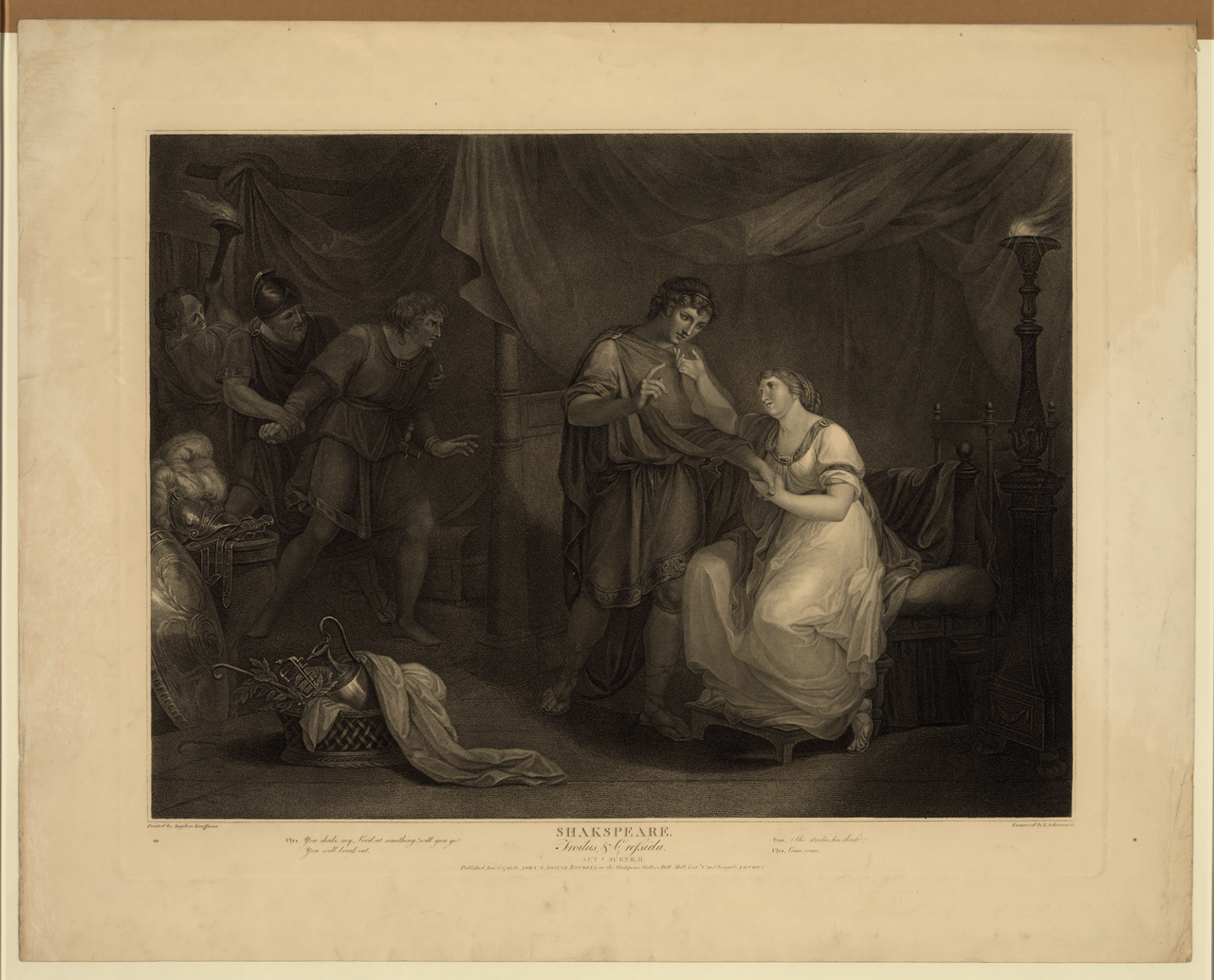
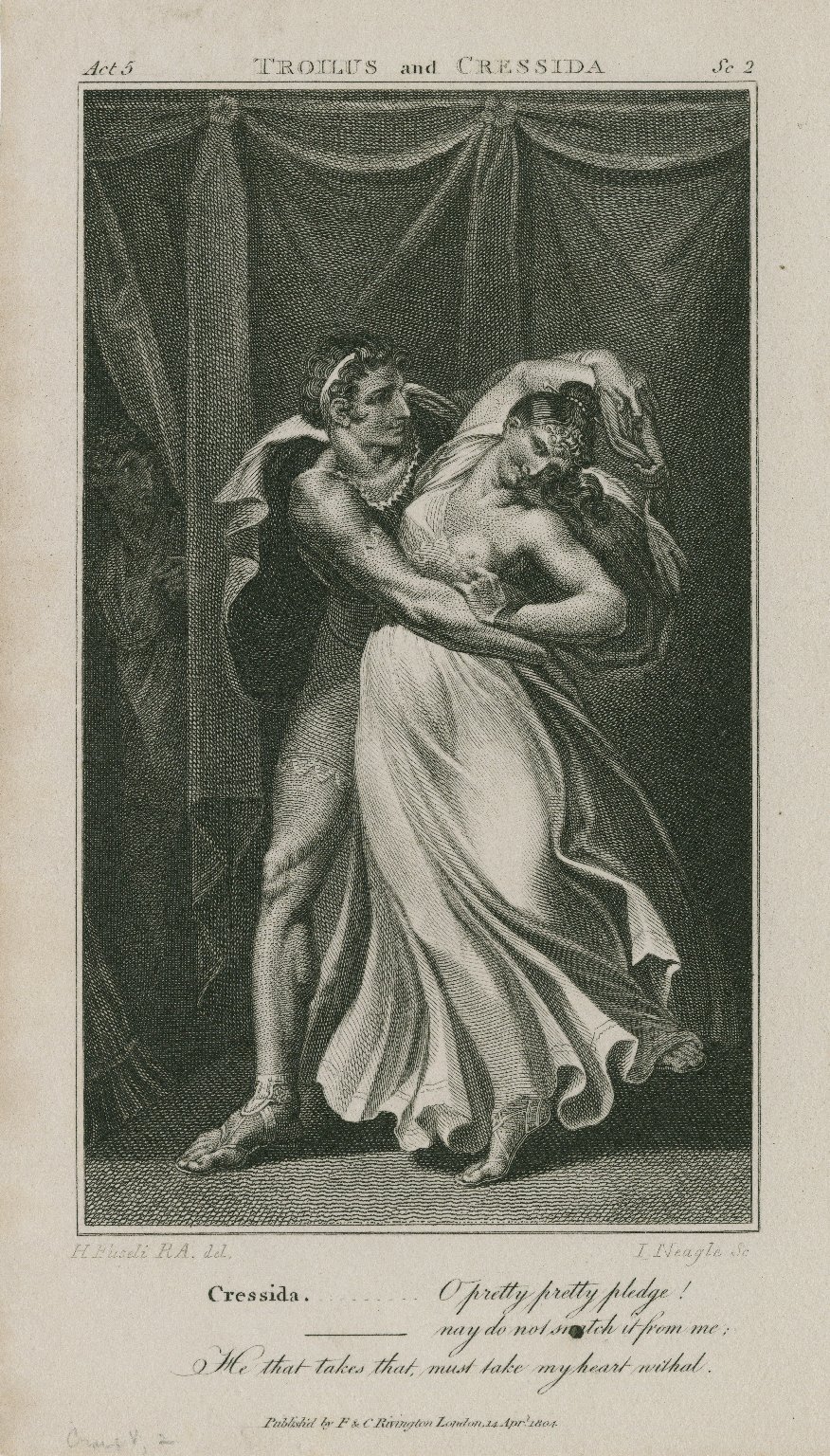
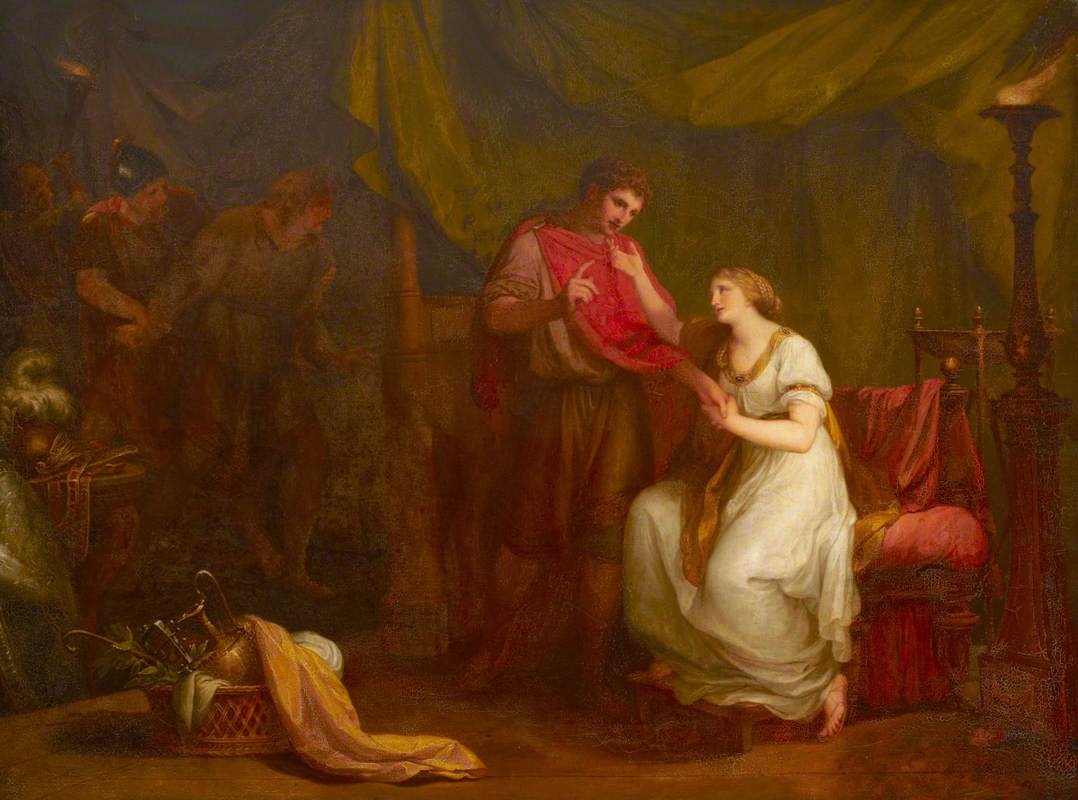
Frequently Asked Questions
What is Troilus and Cressida about?
The play tracks the romance between Troilus and Cressida alongside the military and political machinations of the Greek and Trojan camps. Its tone swings sharply between crude comic bawdiness and bleak tragedy, leaving audiences unsure whether to laugh or grieve at any given moment.
How does Troilus and Cressida end?
After Cressida is traded to the Greek camp she spurns Troilus in favor of Diomedes, and Troilus is slain in battle. The play closes without a tidy resolution, leaving both the lovers' story and the war itself unresolved and bleak.
Why is Troilus and Cressida considered so difficult to interpret?
Shakespeare shifts between satirical comedy and tragic pathos without ever clearly telling the audience which register to take seriously. This deliberate tonal ambiguity has fueled centuries of critical debate over whether the characters are meant to be pitied, mocked, or both at once.
What genre is Troilus and Cressida?
It is classed as a 'problem play,' a label for Shakespeare works that resist a clean fit into either the comedy or tragedy divisions. The piece blends romantic, political, and satirical elements in a way that has never settled into a single genre category.
More in Plays & Drama 1-18
Spotted an error? Know more?
This is a living reference — every entry is fact-audited, and reader corrections feed straight into our audit queue. Suggest an edit · See this site's audit record